
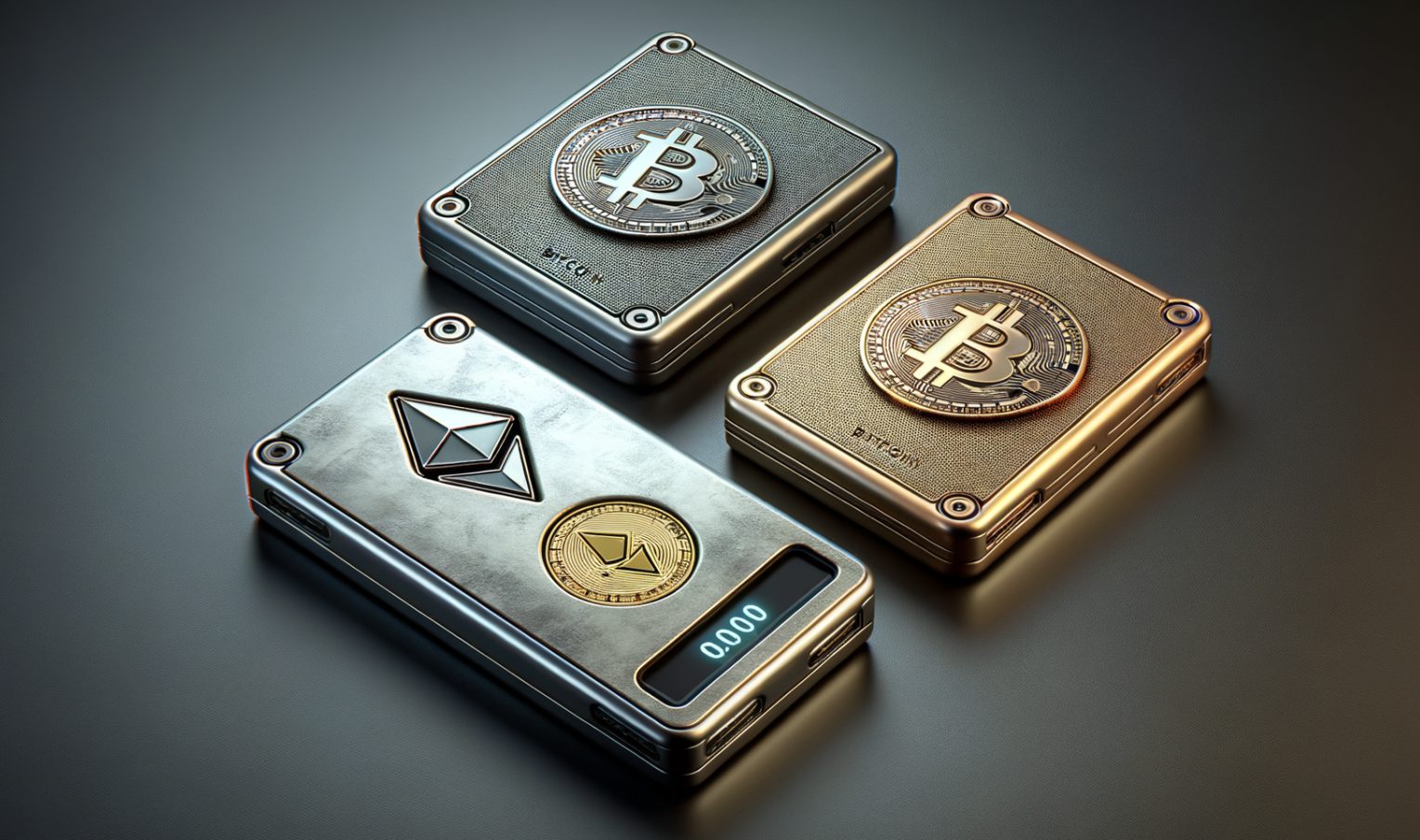
When your hardware wallet arrives in the mail, do not rush into configuration or initialization, because the absolute priority is ensuring it hasn’t been compromised while in transit. Maliciously altered units can exfiltrate your digital assets without warning, so never overlook this vital checkpoint.
First, compare the physical seals and visual markers on the box against the authentic examples shown on the manufacturer’s verified support site. Compare the serial number on the box with the one listed on the company’s website or included in your order confirmation . If anything is unlisted, altered, or inconsistent, halt the process entirely.
Once you’re confident the packaging is authentic, open the box in a clean, private environment . Look for any evidence of forced entry, resealing, or component substitution. The accompanying recovery card and protective cover must remain hermetically sealed with no signs of prior opening. If the card appears printed on different paper or the text looks pixelated, it may be a forgery . Avoid connecting the wallet to any computer until you've confirmed all physical elements match the official specifications .
Several trusted brands embed digital verification codes via QR or NFC chips—always activate the official app to validate them .
After confirming the hardware is legitimate, Initiate the device’s boot sequence for the first time . Watch carefully for the initial setup screen . The UI should unmistakably feature the company’s logo and request the creation of a new mnemonic. If it asks you to import an existing seed, or if the interface looks unfamiliar, stop immediately . The unit could have been reset by a third party to steal future access. Never accept a device that already has data on it unless you purchased it secondhand from a trusted source with full transparency .
Generate your seed exclusively through the wallet’s internal system—never via external apps or keyboards . Carefully transcribe each term manually onto the official card, verify spelling and order, then lock it in a fireproof, offline vault . Re-type the entire phrase from your handwritten copy into the wallet to confirm no errors were made. This confirmation is non-negotiable—it protects you from both accidental mistakes and silent compromises.
Confirming your wallet’s authenticity isn’t optional—it’s the foundation of crypto safety . By methodically checking each component and resisting shortcuts, you ensure that your digital assets remain under your sole control . Trust, but verify .