
Hardware wallets have become essential tools for anyone serious about securing their cryptocurrency holdings. Unlike software wallets that store private keys on devices connected to the internet, hardware wallets keep those keys offline, making them far less vulnerable to hacking and malware. This offline storage is a game-changer .
But not all hardware wallets are created equal when it comes to supporting different cryptocurrencies. The wrong choice can lead to permanent loss of access .
Most leading hardware wallets, such as Ledger and Trezor, support a wide range of major coins including Bitcoin, Ethereum, and Litecoin. These devices use a combination of open-source firmware and app-based support to add new cryptocurrencies as they gain popularity .
For example, Tokens built on Ethereum’s smart contract layer are accessible via approved apps .
However, support for smaller or newer altcoins varies significantly. Manual setup often demands deep technical knowledge and carries inherent risk.
It's important to check a wallet’s official documentation before purchasing. But those lists may not always include testnet versions or newly launched tokens .
Some coins operate on unique blockchain architectures or use non-standard token standards, which can prevent compatibility even if the underlying blockchain is similar to a supported one. The data structure and transaction format must be explicitly implemented.
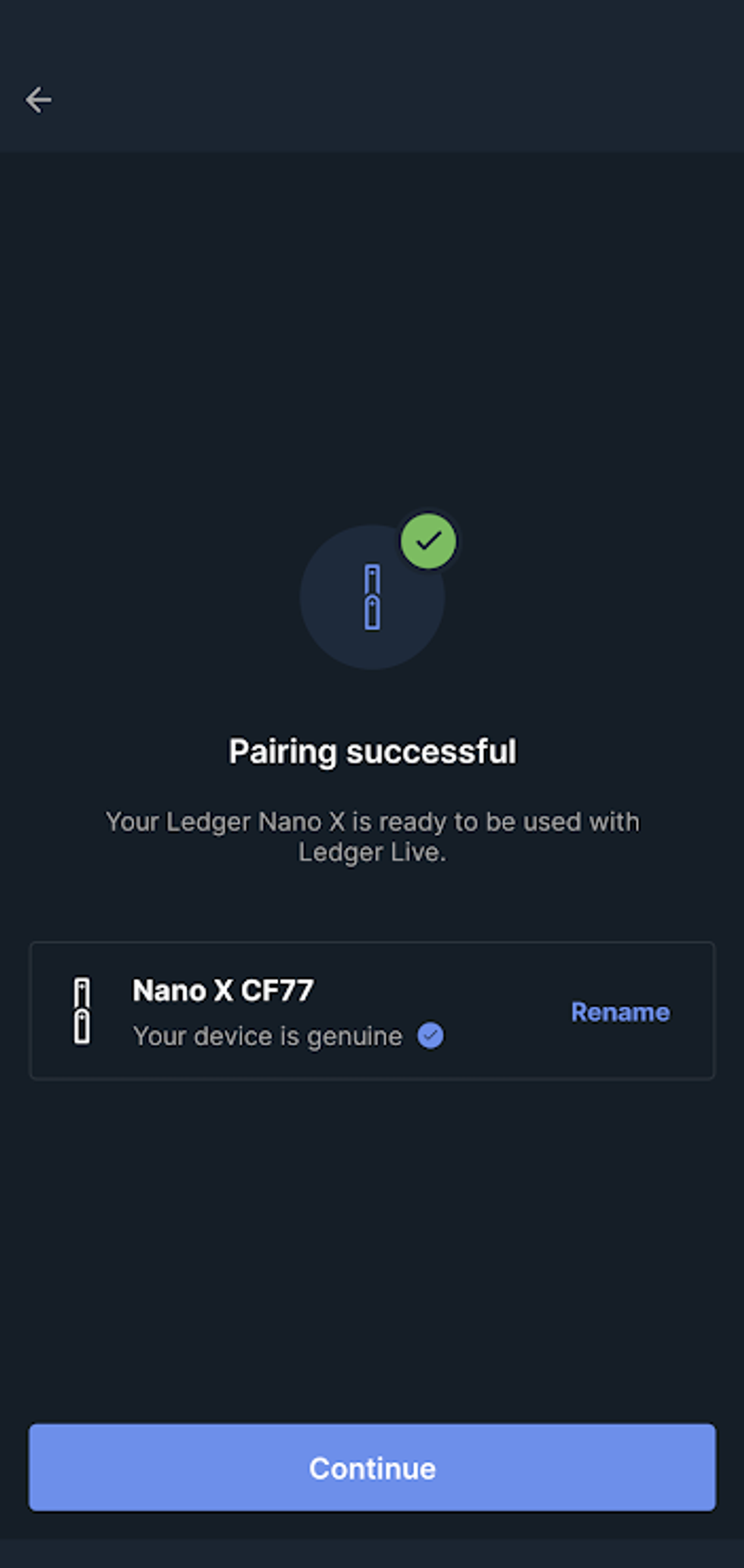
Another consideration is the wallet’s update policy. Update frequency can vary drastically between brands .
Users who are particularly interested in decentralized finance protocols or emerging layer two solutions should verify whether their chosen wallet supports the specific networks those tokens rely on. Not all wallets recognize rollup-based tokens automatically .
Ultimately, the best crypto hard wallet hardware wallet is the one that aligns with your current and anticipated portfolio. For users with a broad, evolving crypto portfolio, robust support infrastructure is non-negotiable .
Compatibility isn’t just about what’s listed—it’s about what’s reliably maintained and securely accessible over time. Security patches and protocol updates ensure continued access .
Choosing wisely today ensures your assets remain secure and usable for years to come. Poor compatibility today can lead to regret tomorrow